Bus Adventures for Curious Explorers

Simple ideas for a memorable summer's day
Summer doesn't always need a packed itinerary or a big budget. Sometimes the best days start with a spot of sunshine and a sense of adventure. So If you're looking for an easy day out with minimal planning, you've come to the right place. We've gathered a collection of suggestions to help you turn a regular day into something a little more memorable, or perhaps inspire you to create your own adventure and discover that there's more to Oxfordshire than you might think.
Pick your adventure
Not sure where to start? Jump straight to the type of day out that takes your fancy:
Castles, Abbeys and Ruins
Quirky Landmarks and Mini Museums
Walking and Trails
Watersports
Indoor Fun
Ye Olde Coaching Inns
Full-on Ale Trails
Coffee Shops
Castles, Abbeys and Ruins
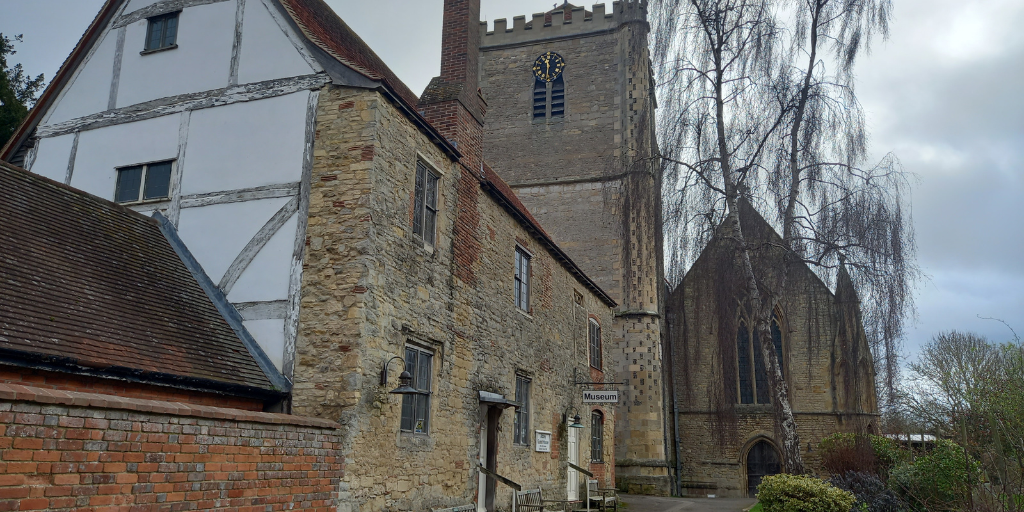
The entrance to Dorchester Abbey via the oak lychgate.
Dorchester Abbey
Dorchester abbey is one of Oxfordshire’s greatest monastic buildings, and it’s packed with treasures such as the Great East Window, which was restored in memory of Sir Winston Churchill. It also features a vivid set of 14th-century wall paintings, originally designed as a "teaching aid," and one of the best-preserved lead fonts in England.
The abbey attracts a lot of visitors, but pick your time wisely, and you’ll find yourself alone, surrounded by a deep sense of peace.
Consider extending your day by walking to Wittenham Clumps from Dorchester and then returning back via a lovely farm shop and cafe (look out for the alpacas and pigmy goats). The gothic Grade II listed chapel St. Birinus, Dyke Hills, a former Iron Age settlement; St. Peter’s Church, a 15th-century chapel; and Wittenham Clumps, ancient sites of human occupation with an old-age hill fort and clusters of beech trees, the oldest known hilltop beeches in England — are all to be found on this two-hour circular walk.
Tip for families: Children will be fascinated by the abbey's intricate stone carvings and colourful stained-glass windows. Consider turning your visit into an educational treasure hunt, with the help of the free I Spy sheets available at the Abbey. A trip to the nearby Snug Café and Farm with its resident population of Alpacas and Pigmy Goat population is also a must.
Bus route: Catch the X40 River Rapids to Dorchester Bypass
Other things you could do: Browse the antiquities at the Abbey Museum (open Easter through September); drop into the Welcome Hub at The Earth Trust Centre near Wittenham Clumps; or grab a cuppa and watch the alpacas at the Snug Café and Farm Shop.
Wallingford Castle Gardens & Meadows
Once a mighty castle, now a peaceful haven, Wallingford Castle (built in the 11th century by order of William the Conqueror) played host to medieval Kings and Queens of England, survived two civil wars, and was a hub of royal intrigue until it was deliberately damaged in 1652 by parliament to prevent future military use.
The Castle Gardens and Grounds are now free of charge to the public and contain the best-preserved sections of the castle but don’t come expecting a well-preserved castle. Instead, you’ll see a landscape punctuated with extensive earthworks and plenty of helpful information to help stir the imagination.
Nearby Wallingford Museum is also worth a visit. It houses a collection of documents, illustrations, and objects related to the castle's history and offers reasonably priced guided history walks of the castle which you can book here. Alternatively, you can download this self-guided history walk of the castle grounds.
Tip for families: There are plenty of places for younger family members to burn off some steam in the grounds. Additionally, the museum has published a self-guided Wallingford Castle Adventure walk specifically for families.
Bus route: Catch the X40 from Oxford or the 33/33A from Abingdon and Didcot to Wallingford Market Place.
Other things you could do: Treat yourself to a cuppa at The Corn Exchange (once frequented by Agatha Christie); have a rummage at Wallingford Country Market; or take a riverside walk to Benson Lock.
Godstow Abbey Ruins, Wolvercote
A short bus ride from Oxford (you can also walk along the Thames Path to Godstow Lock) leads you to the atmospheric ruins of Godstow Abbey, where King Henry II's renowned mistress, Rosamund Clifford, once lived. Although the ruins aren’t large enough for a full-day visit (unless you’re planning a picnic), it's an atmospheric stop for those walking The Thames Path between Port Meadow and Wolvercote.
In its heyday, the 12th-century abbey would have featured a church, chapel, courtyards, cloisters, a guest house, and a chapter house. Today the site has largely been reduced to ruins, with the chapel being the best-preserved structure.
Bus route: Catch the number 6 bus to Wolvercote, Papermill Square. Alternatively, walk along the Thames Path to Godstow Lock.
Other things you could do: Take a stroll through Port Meadow; enjoy a drink at The Trout (a riverside 17th-century tavern that featured in Evelyn Waugh’s Brideshead Revisited and Inspector Morse); take an extended walk along the River Thames or north along the Oxford Canal.
Abingdon Abbey Buildings, Abingdon
The remnants of the once-great Abingdon Abbey are well worth a visit, boasting a history as rich as the daily beer allowance enjoyed by its former residents.
Abingdon Abbey was likely founded in AD 675 by a Saxon prince named Hean alongside a nunnery at St. Helen’s Church by his sister. It then faced destruction at the hands of the Danes in the 9th century before being re-founded in the 10th century, after which it thrived.
Far from being solely a place of quiet reflection, the abbey in its heyday was a bustling commercial hub. The resident monks managed farmland, operated a millstream for beer brewing (each monk had a personal allowance of eight pints a day), and managed fisheries. They also imposed taxes on traders at the local market. This didn't sit well with the townsfolk, and in 1327, a mob decided they'd had enough, giving the abbey a bit of a medieval makeover—angry mob style.
Over six centuries later, Abingdon Abbey got its chips in 1538 when Henry VIII dissolved the monasteries. Today, only two groups of the Abbey’s buildings remain. The first group contains the Gateway, St. Nicholas’ Church, and part of the Guildhall, while the second group includes the Long Gallery, the Checker, and the Unicorn Theatre.
Abingdon Abbey is open from May through September. Self-guided tours are available, or you can book a guide for a nominal fee. The neighbouring gardens are open all year round.
Tip for families: Nearby Abbey Gardens offer plenty of space for play while Abbey Meadows has a heated outdoor pool open between May to September.
Bus route: Catch the X1, X2, X3 to Abingdon High Street
Other things you could do: Have a wander through the grounds of Abbey Gardens and Abbey Meadows; browse the artefacts at Abingdon Museum; or enjoy the riverside views at the Abingdon Riverside Café.
Quirky landmarks and mini museums
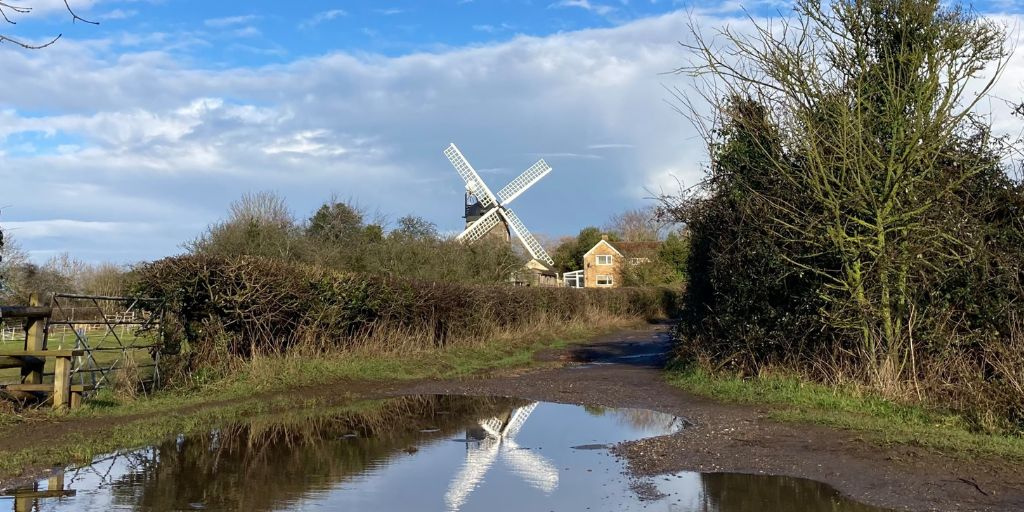
A view of Wheatley Windmill from Windmill Lane.
Ready for something a little... different? Oxford is riddled with museums and notable places, but what of the more unusual, local landmarks that sit beyond Oxford? Here are a handful of them.
The Sack House, Wantage
It's not every day you see a house built for storing sacks. But who doesn’t enjoy exploring a compellingly niche topic?
If you’re heading to Wantage, be sure to pay a visit to the charming Sack House, once home of the England Sack Company. Located at the original entrance to the Wantage canal wharf, the museum offers a fascinating window into the past with fascinating canal artefacts and informative displays about the Wilts and Berks Canals.
Bus route: Catch the X1 to Wantage Market Place from Oxford.
Other things you could do: Browse the artefacts at Vale and Downland Museum; grab a cuppa at Marmalade Coffee Shop; or see what’s on offer at Wantage Market (runs on Wednesdays and Saturdays).
Wheatley Windmill
Vertigo sufferers take note! You’ll be climbing three staircases to the top of this fully restored stone tower in Wheatley, but it’s well worth a visit. Wheatley Windmill dates to the 18th century and is one of only two working mills in the county. There’s plenty of tea and cake available and in good weather, you’ll get to see how it works.
The windmill is typically open on the second Sunday of the month between May and October.
Bus route: Take the 400 to Wheatley followed by a short walk. Or if you’re feeling energetic, you could walk to the windmill via Shotover Country Park.
Other things you could do: Pay a visit to Wheatley Lock-Up; walk the original London to Oxford path at Shotover; or grab coffee and cake at Cornfield Bakery.
The Treacle Well, Binsey
Take a jaunt through the village of Binsey to a remote ancient church dedicated to St Margaret of Antioch where you’ll find a holy well beside it, called The Treacle Well. The originally dated back over a thousand years and was associated with Oxford’s patron saint, St Frideswide. It also features in Alice in Wonderland, where three sisters dwelt, sustained only by treacle.
Bus route: Take the 6 to Oxford, Radcliffe Observatory Quarter. By far the prettiest walk is via Port Meadow (in Jericho) to Binsey.
Other things you could do: Have a drink at The Perch; explore the ruins at Godstow Abbey; or take an extended walk along the River Thames or north along the Oxford Canal.
The Conduit House, North Hinksey
This 17th century conduit house once supplied clean drinking water to the city and offers sweeping views of the city. Typically, you’ll only get to see the exterior, but it is open on special occasions. And while you’re there, don't miss the chance to explore the Hinksey Heights Nature Reserve, a 1.5-mile circular walk through a wooded valley that connects with Chilswell Valley and Harcourt Hill.
Bus route: Catch the 4B to Harcourt Hill Campus
Other things you could do: Go wildlife spotting at Hinksey Heights Nature Trail; grab a coffee at the 19th Hole Clubhouse.
Aston Martin Museum
Even if you're not a 'car' person most of us can appreciate the beauty of a classic car. You’ll find more than 110 years of Aston Martin history packed into the Aston Martin Heritage Trust including the A3 - the oldest surviving Aston Martin in the world with definitive models from every era to cars of today. The museum also features memorabilia and trophies. Be prepared to walk to get there. Tickets need to be purchased in advance.
Bus route: X40 River Rapids to Dorchester Bypass followed by a 30-minute walk.
Other things you could do: Have a bite to eat at the Wandering Kitchen.
The Medieval Merchant’s House, Abingdon
It’s not typically listed as a top 10 attraction, but it’s worth visiting The Medieval Merchant’s House. This lovely house (allegedly Abingdon’s oldest dwelling) dates to around 1430 and features some interesting 16th-century wall paintings on the first floor. It’s also close to the foundations of Abingdon Abbey Meadow and Gardens, so you can pack more than one attraction into a single trip.
Bus route: Catch the X1, X2, or X3 to Abingdon High Street
Other things you could do: Visit Abingdon Abbey; enjoy the fresh air at Abbey Gardens and Abbey Meadows; explore the objects and artefacts at Abingdon Museum.
Walking and trails
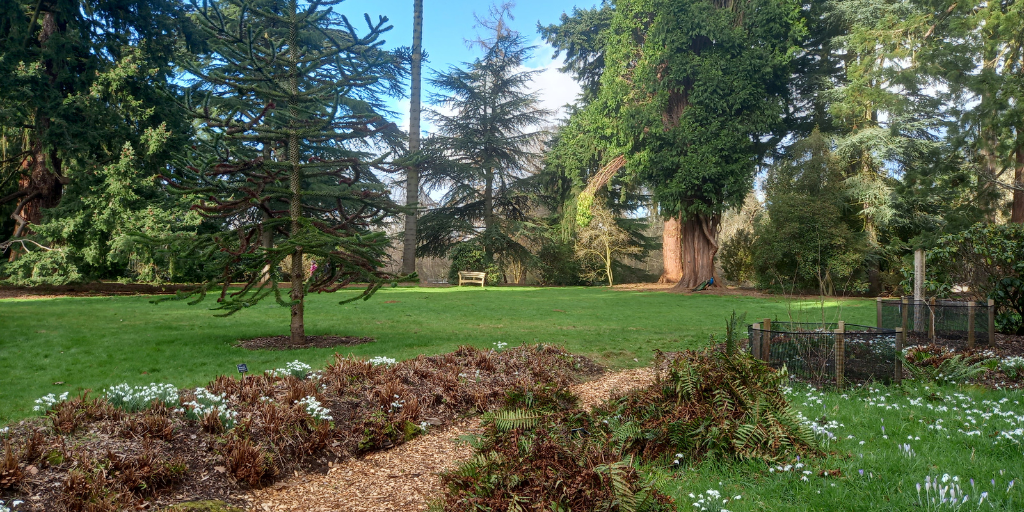
The Serpentine path at Harcourt Arboretum.
Who needs expensive theme parks when you've got Mother Nature's playground at your doorstep? Lace up your boots for some outdoor adventures. Here’s our (by no means comprehensive) selection of trails:
South Hinksey and Chilswell Valley Circular Walk
Take a short stroll from South Hinksey (accessible via Hinksey Park and the Devil’s Backbone) and then onwards to a quiet nature reserve known locally as Happy Valley. Rumour has it that this reserve got its name from "Child’s Well" a nod to the stream which nourishes the reedbeds having healing properties for sick children.
Download the Chilswell Valley Walk
Bus route: Walk to Hinksey Park from the Oxford City Centre Police bus stop (P1 or P2) just before Folly Bridge.
Other things you could do: Pick up a coffee at Oxford Garden Centre; explore the 13th-century church in North Hinksey.
Shotover Country Park Trail
There’s an extensive network of paths across the wooded valleys and grassy slopes of Shotover Country Park. To start with, you could explore one of three waymarked trails provided by Shotover Wildlife.
Download the Red Trail at Shotover
Download the Yellow Trail at Shotover
Download the Green Trail at Shotover
Tip for families: Take the red trail to the natural sandpit for some sandcastle building.
Bus route: Buses stop near the bottom of Old Road followed by a short walk uphill to the park.
Other things you could do: Visit the C.S. Lewis Nature Reserve; book a trip to the C.S Lewis House; make a few days of it and book a pitch at Greenacres campsite; or taste a craft beer at The Oxford Brewery.
Nettlebed
Nobody knows for sure how Nettlebed earned its name. Legend has it that Roman troops in the first and second centuries AD rubbed nettles on their limbs to keep warm while marching. Alternatively, the name could simply be due to the large volume of nettles that grow in the area. But whatever the truth of the matter, Nettlebed is both easy to reach by bus and sis the perfect base for exploring the countryside.
There are numerous walks around Nettlebed, including those through the Nettlebed estates, which are still owned by the Fleming family, and the Warburg Nature Reserve, some of which are published on the Nettlebed Creamery website, as below.
Download the 2.5-mile walk around Nettlebed
Download the 4.5-mile walk to Warburgh Nature Reserve
Download the 6-mile walk through Warburgh Nature Reserve
Bus route: Catch the X40 to Crowmarsh Gifford, cross the road for the 33 to Nettlebed, The Green.
Other things you could do: Try a cheese toastie at The Cheese Shed; find the late 17th-century conical bottle in the village; pop into St Batholomew’s Church to see the extraordinarily colourful John Piper windows.
Harcourt Arboretum
One of the best things about Harcourt Arboretum is that it offers so much for its compact size. There are well-laid-out trails to walk and plenty of benches if you want to stop and ponder life. You might even be joined by one of the vociferous resident peacocks.
See if you can spot the retired carved heads that once graced the outside of the Sheldonian buried in the grounds.
Harcourt Arboretum, Nuneham Courtney
One of the best things about Harcourt Arboretum is that it offers so much for its compact size. There are well-laid-out trails to walk and plenty of benches if you want to stop and ponder life or enjoy a coffee from a thermos. You might even be joined by one of the bright and vocal resident peacocks.
See if you can spot the retired carved heads that once graced the outside of the Sheldonian buried in the grounds.
Watersports, Boating and Kayaking
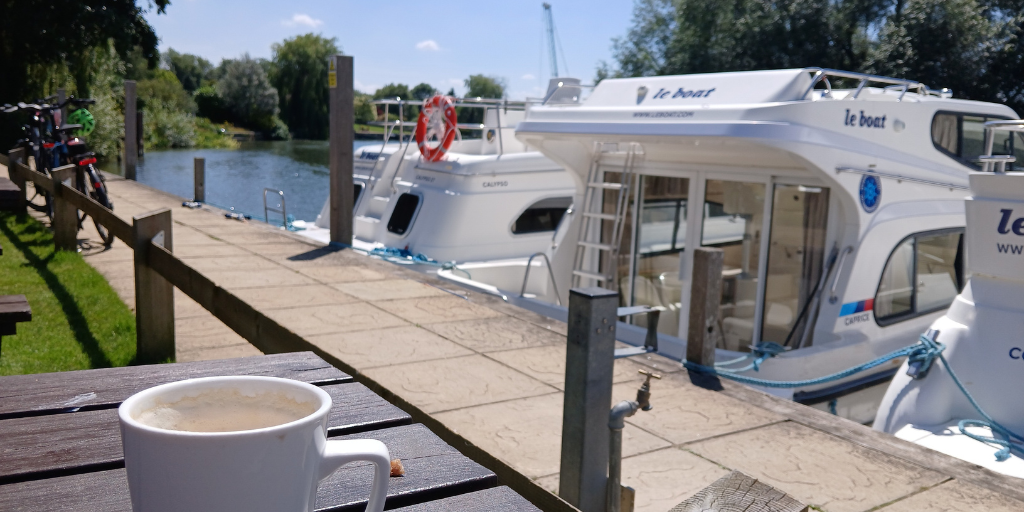
A brew with a riverside view at The Waterfront Cafe, Benson Marina.
Queenford Lakes, Dorchester
If you're looking to make a splash in a natural setting, Oxford WetnWild at Queenford Lakes offers a wide range of activities from wild swimming to paddleboarding. There are well-marked swimming courses for 200, 350, and 500 metres, a lakeside shower, and refreshments are available onsite.
Queenford Lakes is open May through September and advance booking is essential.
Bus route: X40 River Rapids to Dorchester Bypass.
Other things you could do: Visit Dorchester Abbey; pay a visit to the Abbey Museum or grab a cuppa at the Snug Café and Farm Shop.
Bygone Boating (also paddleboards and canoes), Benson Lock
For a nominal fee, you can board one of Bygone Boating’s clinker-style boats, including an ex-lobster fishing boat, operated by enthusiastic volunteers. The ferry (which carries foot passengers from Benson Marina to Benson Lock and back. From there, it’s a 2km walk from the lock to Wallingford so it can be combined with a visit to Wallingford Castle grounds.
Bygone Boating also operate a 2-hour ferry trip up to Days Lock and back, and hire out paddleboards, canoes and dayboats.
Bygone Boating operates between Spring and late Autumn.
Benson Ferries | Bygone Boating
Bus route: X40 to Benson Marina.
Other things you could do: Visit the lovely waterfront café next door which serves everything from coffee and tea to brunch and dinner.
The Rose Revived, Newbridge
The Rose Revived is an ivy-clad 16th-century pub, which sits in the pretty village of Newbridge, on the banks of the River Thames. From here you can hire paddle gondolas and electric punts for a reasonable price from the pontoon. There are plenty of walking opportunities in the area too.
Bus route: X15 to Newbridge.
Other things you could do: Take a countryside walk from the pub or make a couple of days of it and book a pitch at Northmoor Lock 45 minutes away.
Indoor Fun

Gravitee Golf at the Ozone Leisure Park
Ditch the brolly with some of these indoor outings.
Ozone Leisure Park
If you weren’t aware of it already, The Ozone Leisure Park, Oxford, located on the outskirts of Oxford, contains an exhaustive range of activities such as Gravitee Golf, Hollywood Bowl and Laser Combat under one roof. There’s also a cinema if you want to catch that must-watch movie.
Bus route: Take the 3A to Kassam Stadium
Other things you could do: Walk the sculpture trail at Spindleberry Nature Reserve, watch a match at Oxford United Football Club.
The Abbey Cinema, Abingdon
In the mood for some live theatre? Try The Abbey Cinema in Abingdon which offers everything from live theatre to singalongs and (interestingly) you can munch on anything from fish and chips to popcorn.
Bus route: Catch the X1, X2, X3 to Abingdon High Street
Other things you could do: Have a picnic at Abbey Gardens and Abbey Meadows; browse the artefacts at Abingdon Museum; enjoy the river views at Abingdon Riverside Café.
Corn Exchange, Wallingford
Visit the Grade II listed Corn Exchange dating back to 1856, and once frequented by Agatha Christie, which has a small arty looking bar selling local brews as well as coffee and cake on Fridays and Saturdays between 10:00 and 13:00.
Bus route: Catch the X40 from Oxford or the 33/33A from Abingdon and Didcot to Wallingford Market Place.
Other things you could do: Have a rummage at Wallingford Country Market; take a riverside walk to Benson Lock; or take a dip at Riverside Park and Pools (seasonal opening).
Ye Olde Coaching Inns
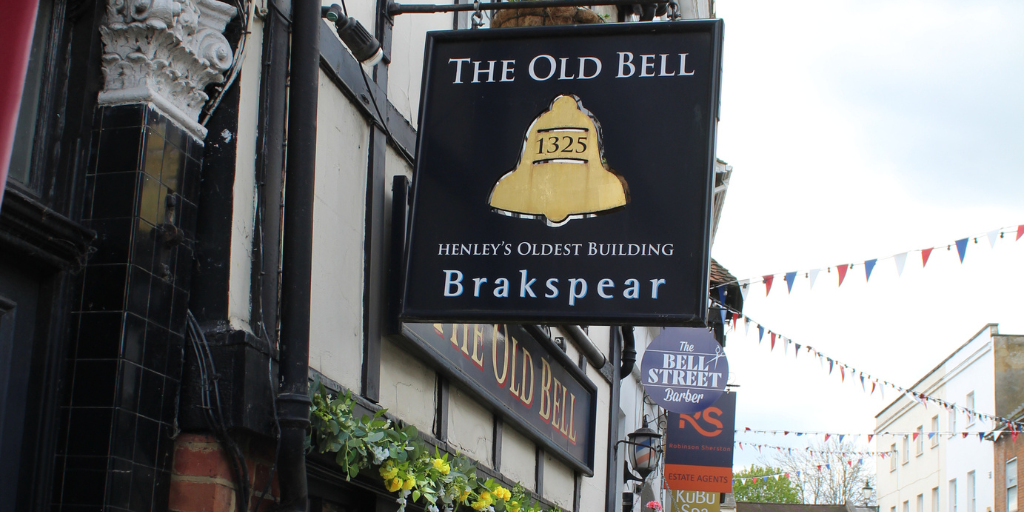
Public house sign for the Old Bell in Henley.
After all that exploring, you'll need to refuel. Why not do it in a place with a story to tell?
Wallingford
The George Hotel is a 16th-century coaching inn, which was believed to be the dower house to Wallingford Castle. It’s rumoured that the hotel’s most famous resident was none other than Dick Turpin – that infamous highwayman who apparently used The George as a means of evading the authorities.
Bus route: Catch the X40 from Oxford or the 33/33A from Abingdon and Didcot to Wallingford Market Place.
Other things you could do: Treat yourself to a cuppa at The Corn Exchange (once frequented by Agatha Christie), have a rummage at Wallingford Country Market, take a riverside walk to Benson Lock.
Henley
Further afield in Henley, you’ll find The Angel on the Bridge, Henley has a colourful history and retains many of its original characteristics, including the stone abutments of an old wooden river bridge erected in 1170 and damaged during the Civil War in its cellar.
The Red Lion Hotel, in Henley was built in the 1600s as a coaching inn. The hotel has hosted numerous dignitaries, including King Charles I and Oliver Cromwell. The Prince Regent, who later became King George IV, is believed to have had 14 of their lamb chops in one sitting.
The Old Bell is documented as Henley's oldest bar, dating back to 1325. Vintage decor, low-beamed walls, and a succession of chambers connect from the main bar.
Bus route: Catch the 33 to Henley
Other things you could do: Walk along the Thames
Full-on Ale trails

The Angel on the Bridge, Henley
Abingdon Pub Walk
Abingdon, like many market towns, has a thriving brewing industry and a plethora of coaching inns with a colourful history. Abingdon’s ale trail is 1.5 hours long, and starts in the market square. Among them you’ll find a coaching inn that once became home to a menagerie of exotic animals including monkeys, baboons and tigers.
Download the Abingdon Pub Walk
Bus route: Catch the X1, X2, X3 to Abingdon High Street.
Other things you could do: Visit the Abbey Buildings; enjoy a stroll in Abbey Gardens and Abbey Meadows; explore the artefacts in Abingdon Museum.
Henley Ale Trail
Henley has many ancient pubs some of which are on the Henley Ale Trail, which now has its own app, and you can also collect stamps from each public house for a free t-shirt.
Bus route: Catch the 33 to Henley
Coffee shops
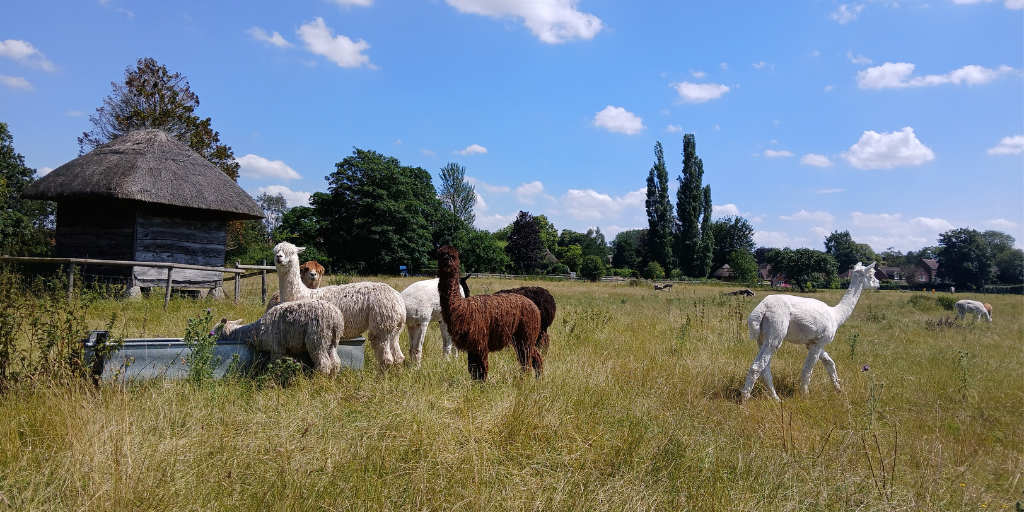
Alpacas graze in a field behind The Snug in Dorchester.
Sandy Lane Farm, Tiddington
In what other place would you sip coffee near a mound of snoozing piglets? And yet, this idyllic scene can be found at a mixed organic farm, located just 10 minutes walk down Sandy Lane (opposite a garage) from the main road and the nearest bus stop. Sandy Lane is a small, family-run farm that has kept things growing for the last 30 years. It’s committed to organic farming practices, rears pigs and lamb, and grows a wide range of vegetables. Vegetables are harvested the old-fashioned way, and this adds to the charm.
Bus route: Take the 400 to Thame
Other things you could do: Walk parts of The Oxfordshire Way; visit Rycote Chapel; visit Thame Museum (400 bus route to Thame).
The Snug, Dorchester
The Snug in Dorchester is a great place for a cuppa—it’s simply the loveliest, converted tractor shed nestled in the heart of a sustainable farm that plays host to 60 alpacas, horses, pigs, goats, and sheep. Sliding doors bring the outside in during warmer weather, while a cosy log burner provides warmth on chilly autumn days. If you love walking, it’s also worth bringing your hiking boots because you can walk a loop between Dorchester and Wittenham Clumps.
Bus route: Take the X40 to Dorchester (Dorchester Bypass)
Other things you could do: Visit Dorchester Abbey; explore St Peter’s Church; pay a visit to the Earth Trust Centre.
So, there you have it– a world of adventure sitting right on your doorstep. Oxfordshire really does have it all and you don't need particularly deep pockets to enjoy it. Remember too your mobile bus pass will get you some discounts at some of these attractions, so check our latest App Benefits list for ideas! Grab your bus ticket, gather your loved ones, and break up the daily grind with something new.